When the Heating Comes On: Your 2026 Winter Ironing Health Check
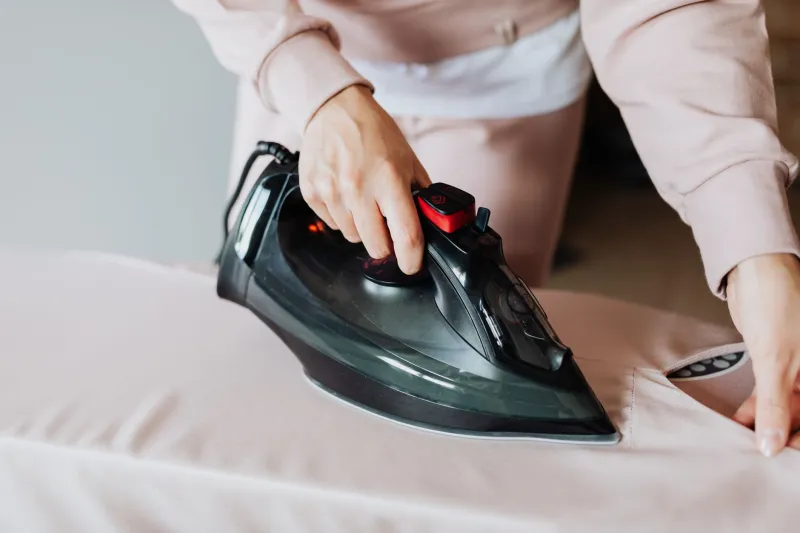
There is a moment in late October or early November when the heating clicks on and the ironing suddenly feels different. The iron drags. The steam spits. Shirts that pressed beautifully in September seem to fight back. It is not your imagination, and it is not a character flaw in your ironing technique. Winter changes the conditions in a UK home, and those changes show up on the ironing board.
In 2026, with homes sealed up tighter and heating used more carefully, it is worth understanding what is happening. Dry indoor air, hard-water scale, condensation and radiator-dried fabrics all have a say in how clothes and linens press. The good news is that most of it is fixable without buying a new iron or spending every Sunday at the board.
Why winter is different
When the heating runs, indoor humidity drops. Fabrics can feel crisper, stiffer and more prone to static. Steam evaporates faster, so you may find yourself going over the same sleeve twice. At the same time, condensation gathers near windows, in bathrooms and around drying laundry. That is a strange combination: dry air in one room and damp air in another.
The result is that fabrics do not dry evenly. A cotton shirt might feel dry on the outside but still hold moisture in the collar. A bedsheet dried on a radiator can be bone dry at the edges and slightly damp in the middle. Pressing either one is a recipe for creases that bounce back.
The hard-water headache
Most UK homes sit in hard-water areas, including London, the Home Counties, East Anglia and parts of the Midlands. Every steam burst leaves a little mineral deposit behind. Over winter, the iron works harder and more often, so scale builds up faster than you might expect.
You will know it is happening when the iron spits white flakes onto dark trousers, when the steam output drops, or when the soleplate starts to look chalky. A kettle in a hard-water area tells the same story. The fix is boring but effective: empty the water tank after every use, fill with fresh water before you start, and run the iron's self-clean or descaling cycle according to the manual. If your iron allows it, a mix of distilled and tap water can help in very hard areas, but always follow the manufacturer's instructions rather than guessing.
Do not use perfumed water or fabric conditioner in the iron. It smells nice for about a minute and then gums up the works. A damp cloth passed over a warm soleplate is usually enough for day-to-day cleaning.
Radiator-dried fabrics: the hidden crease setter
Drying laundry on the radiator is a British winter tradition, and it is not going anywhere. The problem is that radiators dry fabric unevenly. Heat sets folds into place, especially on thick cottons, towels and bedding. If you then fold that washing and leave it in a basket for a day or two, the creases become structural.
A few small changes help. Give clothes room to breathe on the airer instead of stacking them. Rotate bedding halfway through drying. Finish radiator-dried items with ten minutes in an airing cupboard or a short tumble if you have one, then press while slightly damp. If you are ironing sheets, fold them and let them rest in the airing cupboard first, so the heat can even out the moisture.
Room-by-room fixes
In the bedroom, keep the ironing board away from a radiator that is blasting heat directly at you. Dry air makes static worse and steam less effective. A spray bottle of water is your friend.
In the bathroom, do not store the iron in a damp cupboard. Condensation and metal do not get on. Run the extractor fan when drying laundry indoors, and wipe down windows if condensation is pooling.
In the kitchen or utility room, keep a small bottle of descaler and use it monthly if your area is hard. Empty the iron after every session. Leaving water sitting in the tank is how scale gets comfortable.
In the airing cupboard, do not overfill. Air needs to move. If everything is jammed in, the middle stays damp and the edges bake. Rotate the pile every so often.
Your five-minute maintenance check
Before a big winter press, spend five minutes on the iron itself. Empty the old water. Fill with fresh. Check the soleplate for residue. Run a burst of steam over a scrap cloth to clear the vents. Check the temperature dial is where you think it is. Let the iron cool before storing it upright.
If the iron has a self-clean function, use it. If it does not, follow the manual for descaling. Do not poke the steam holes with a pin. That is how you turn a small maintenance job into a replacement purchase.
When a professional press makes more sense
Some winter ironing jobs are simply better done by someone with the right kit. School uniforms, bedding, table linen and anything with a lot of volume can eat a weekend. Delicate fabrics need controlled steam and a steady hand. If your iron is scaled beyond saving or your radiators have set creases into a favourite shirt, a professional press can rescue the finish.
At Pressed & Ready, we collect, press and return to your door, which means the winter pile does not have to take over the spare room. It is not about being unable to iron. It is about choosing where your time goes when the heating is on and the calendar is full.
A calmer winter rhythm
Winter ironing is easier when you work with the season rather than against it. Dry clothes evenly, keep the iron descaled, press in small batches and do not let damp laundry sit in a basket. If the pile is already winning, book a collection and let someone else deal with the steam. The 2026 forecast is simple: more heating, more layers, less patience. A clean iron and a realistic plan make all the difference.