The Fur-Free Finish: A Pet Owner's Route to a Shirt That Stays Pressed

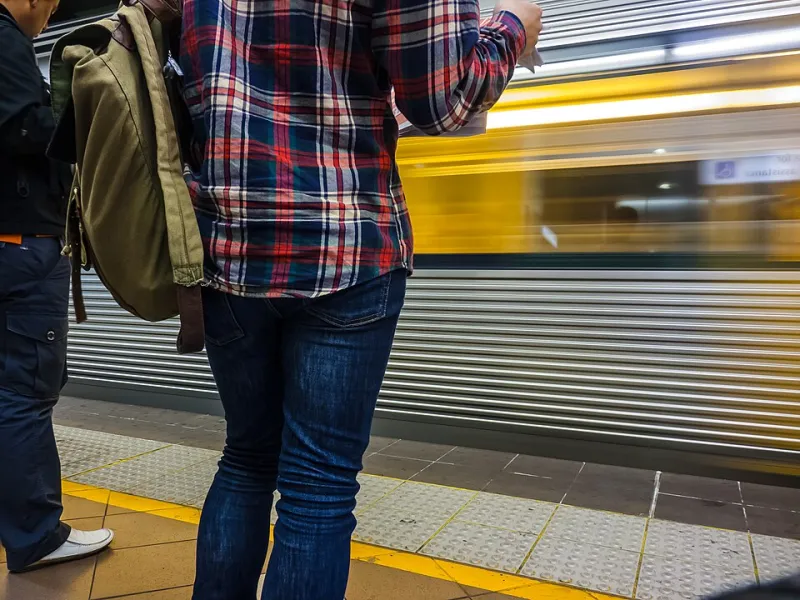
Photo: pet owner lint roller pressed shirt UK home, via images-wixmp-ed30a86b8c4ca887773594c2.wixmp.com
Ask anyone who shares a home with a Labrador, a ginger cat or a rabbit that has decided the landing is its office: a freshly pressed shirt is not just clean. It is a statement. It is also, apparently, an invitation.
Within minutes of coming off the board, a dark cotton shirt can look as though it has been rolled across the hall carpet. The collar picks up a halo. The sleeves collect a fine dusting. And if you are trying to get everyone out for the school run in late 2026, that is precisely the moment the dog decides to shake.
The good news is that pet hair does not have to mean permanent creases and endless sticky rollers. A calmer routine starts before the iron is even plugged in.
Why a warm, smooth shirt attracts fur
Pet hair does not aim for your best shirt on purpose. It simply goes where the conditions suit it. A shirt that has just been pressed is warm, smooth and often carrying a little static, especially in centrally heated homes during autumn and winter. Light fur and dander float through the air, settle on flat surfaces and cling to fabric. The smoother the surface, the more obvious every strand becomes.
That is why a shirt can look immaculate on the hanger and then seem magically furred by the time you reach the front door. It is not the iron undoing your work. It is the environment around the shirt.
Start at the basket, not at the board
The one pre-press habit worth breaking is this: do not iron first and de-hair second. Once a pet hair is pressed flat into cotton, it can be much harder to lift, and a hot iron can even leave a faint mark where the hair has been trapped. Always check and remove fur before the garment meets the soleplate.
A quick routine works better than a heroic one. Give the shirt a brisk shake outdoors if the weather is dry, or over a hard floor rather than a carpet. Turn it inside out and check the seams, hems and inside of the collar, where loose fur likes to gather. Look at the outside too, especially the shoulders and cuffs. A torch or a bright window helps on dark fabrics.
Keep the ironing board cover clean as well. A board cover that has been used for months can hold dust and pet hair, ready to transfer onto the next white shirt. A quick brush or a wipe with a damp cloth before you start is a small job that pays for itself.
Lint rollers, rubber gloves and the anti-static question
Lint rollers are excellent for a final pass at the door. They are less good for deep removal, because the sticky sheet glides over the surface while fur sits deeper in the weave. Use short, lifting strokes rather than scrubbing, and change the sheet before it starts pushing hair around rather than picking it up.
A clean rubber glove, slightly dampened, is surprisingly effective on sturdy cottons. Sweep it across the fabric in one direction and the fur gathers into a ridge that you can pick off. Test it first on a hidden seam, and avoid using it on silk, fine wool or anything with a delicate print. A dry sponge or a soft clothes brush can also work well on heavier shirts.
Anti-static sprays and tumble-dryer sheets are often suggested as a fix. They can reduce cling for a short while, but they are not a removal method, and too much product can leave residue or affect the fabric's finish. If you use a spray, follow the label, keep it away from delicate fibres and do not treat it as a substitute for a proper de-hairing pass. For most households, a clean rubber glove and a lint roller by the door will do more honest work.
The finish depends on where the shirt lives
A well-pressed shirt can survive the school run if it is stored with a little thought. Let it cool completely before hanging it up. Warm fabric in a crowded wardrobe can pick up creases and moisture, and it will happily collect fur from anything nearby.
Keep pet beds, blankets and grooming brushes away from the rail where clean shirts hang. If your wardrobe has a door, close it. If you use an open rail in a hallway, consider a breathable cotton garment bag for the shirts you need most. Plastic covers can trap condensation, so cotton is the kinder choice. Hang the shirt high enough that a passing cat cannot rub against the hem, and avoid draping it over the banister while you find your shoes.
For the school run itself, put the shirt on last. Keep a lint roller near the front door and give the shoulders and back a quick once-over before you leave. If you carry a spare shirt in the car, fold it into a clean cotton bag rather than letting it roll around the boot with the dog towel.
When to send pet-prone shirts out
Some shirts are simply better handled outside the home. Heavy shedding seasons, dark cottons, linen blends and anything with a lot of seams can take more patience than a busy week allows. If you are already juggling uniforms, workwear and the weekly wash, professional pressing can take the whole task off the board and give you back the twenty minutes you would have spent chasing fur around the dining table.
If you are bagging pet-prone shirts for collection, do a little prep first. Shake them outdoors, check the inside of the collar and cuffs, and place each shirt in a clean cotton laundry bag or a pillowcase rather than dropping it loose into the basket. Keep pet bedding, towels and grooming cloths in a separate bag. Do not overfill the collection bag, because compression pushes fur from one garment onto another. A quick label on the bag helps too.
The aim is not a hair-free home. With pets, that is a fantasy. The aim is a shirt that arrives at the door looking ready for the day, with the fur left behind where it belongs.