Pack Light, Arrive Sharp: The Pre-Pressed Weekend Capsule for Autumn 2026

Photo: packed weekend suitcase flat lay autumn clothes folded tissue paper, via images.pexels.com
There is a particular kind of optimism that makes a person arrive at a hotel, unzip a weekend bag, and assume the ironing board folded into the wardrobe will sort everything out. It rarely does. Hotel irons are small, lukewarm, and often furred with someone else's limescale. The board is the width of a paperback. And you have dinner booked in forty minutes.
The alternative is quieter and considerably less dramatic: pack clothes that have already been pressed, pack them in a way that keeps them that way, and spend your first hour in a new city doing something better than wrestling a steamer in a bathroom.
Why the hotel iron is a false friend
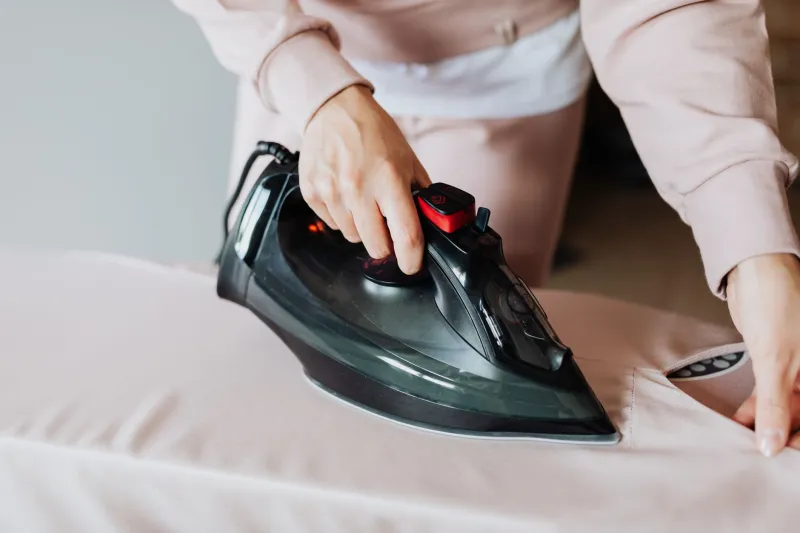
Hotels are built for sleeping, not for pressing. The iron in room 214 has usually been dropped at least once, the water tank has not been emptied since spring, and the board sits at a height designed for nobody in particular. Attempting a shirt on it is a ten-minute negotiation that ends in a shiny collar and a faint smell of scorched dust.
Add the timing problem. You arrive at four, you want to be out by half six, and in between there is a shower, a lost earring, and a map to squint at. Ironing is the first thing to get cut, and the crease down your sleeve is the thing everyone notices at dinner.
Getting the pressing done at home, before the suitcase closes, removes that whole scene from the weekend.
The capsule: fewer pieces, better behaved
The temptation with a two-night break is to pack for four possible versions of yourself. Ignore all of them. A workable autumn or winter capsule for a UK city break is roughly seven items of clothing, and every one should be able to meet at least two of the others.
Start with two pairs of trousers or one pair of trousers and one skirt, both in a dark, forgiving cloth. Add three tops that layer rather than compete. Include one mid-layer — a fine knit or a lightweight jacket — and one outer layer that can handle a wet Saturday in York or a windy walk along the Newcastle quayside. Then one dress or one smarter top for the evening, depending on your habits.
The rule is not minimalism for its own sake. It is that every piece you add is another thing that has to survive the journey, and the bag gets heavier and the creasing gets worse with each one.
Fabrics that earn their suitcase space
Some cloths are born travellers. Others are best left at home until you have a car boot and a hanging rail.
Wool and wool blends are the quiet heroes of a winter capsule. A fine merino knit can be folded for six hours, shaken out, and look entirely normal by the time you are standing in a hotel lobby. Gabardine, wool-blend trousers and most suitings behave similarly.
Cotton poplin shirts press beautifully but crease on contact with air, so they need help — more on that below. Linen is a lovely idea in July and a cruel joke in a suitcase. Viscose and rayon look elegant on the hanger and emerge looking like crumpled tissue paper. Heavy jersey is comfortable and forgiving, but it also stretches and bags at the knee after a day of walking.
The most useful thing you can do is look at your wardrobe through this lens before you start packing, not after.
Packing so nothing arrives looking like a bedsheet
Technique matters as much as fabric. The old folding-versus-rolling argument has a simple answer: roll soft things, fold structured things, and never let a hard corner press into a collar.
For shirts and blouses, use the bundle method. Lay the item face down, fold the sleeves in towards the centre, then fold the body in thirds. Slip a sheet of acid-free tissue or a dry-cleaning bag between each fold — the slick surface lets the layers slide rather than grip, which is where most creases come from. Place folded shirts at the top of the bag, not the bottom.
Shoes go in bags at the base, heel to heel, with socks stuffed inside to hold their shape. Knitwear gets rolled, not folded, and goes around the edges where it cushions everything else. A small pouch of underwear and chargers fills the gaps.
If you are travelling by train, keep the folded pieces in a separate slim packing cube and slide it under the seat rather than into the overhead rack, where it will be joined by someone else's rucksack.
The pre-press: do it at home, not in room 214
This is the part that changes the weekend. A few days before you travel, everything that will go in the bag gets professionally pressed — shirts, trousers, the dress, the knit that always looks slightly tired around the cuffs.
A collection-and-return service makes this easier than it sounds. Your bag goes out on Tuesday, comes back on Thursday pressed and on hangers, and goes straight into the suitcase on Friday morning without ever touching a domestic iron. No last-minute board, no scorched shirt at eleven at night, no decision about whether the crease in the sleeve is acceptable.
There is a secondary benefit that people rarely mention: pressed clothes pack smaller and flatter. Creases take up room. Smooth cloth folds neatly and stays folded.
A sample two-night list
For a late-October weekend in a city like Manchester or Bath: one pair of navy wool trousers, one pair of dark jeans, two cotton shirts, one merino crew neck, one lightweight waterproof layer, one dress or a silk-blend top, one pair of comfortable boots, one pair of trainers, and a scarf. Everything above the boots gets pressed before it goes in.
That is a bag you can carry onto a train, lift into an overhead rack, and unpack in four minutes.
The morning you leave
Zip the bag, hang the shirt you are wearing on the back of the door, and go. The point of the pre-pressed capsule is not that you are the sort of person who has their life together. It is that you have quietly removed one small, irritating task from a weekend that was supposed to be restorative in the first place.
Arrive crisp. It is a better way to start.