Gloss Patrol: The Matte-Finish Rescue for Dark Shirts in Winter 2026

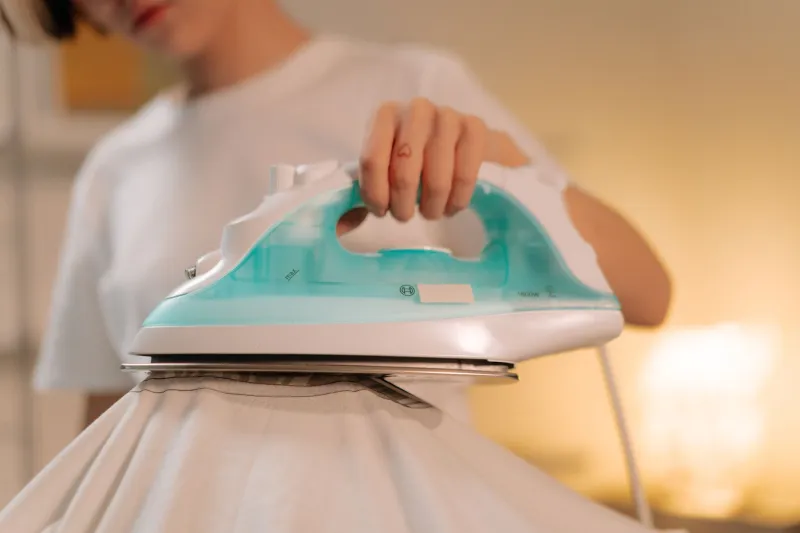
Photo: ironing dark navy shirt with pressing cloth steam close up, via images.squarespace-cdn.com
There is a particular kind of disappointment reserved for a dark shirt that looks fine from across the room and suspiciously shiny up close. The collar catches the light. The cuffs look a little polished. The placket has developed a soft, silvery glow that was definitely not part of the original fabric. It is not dirt, and it is not usually a sign that the shirt is finished. It is iron shine, and it tends to build quietly through the colder months, when dark shirts work harder and the iron comes out more often.
The good news is that most iron gloss is preventable, and some of it is improvable. The less good news is that the fix is not simply turning the iron down and hoping for the best. Dark shirts need a slightly different approach, especially black, navy and charcoal cottons, cotton blends and the smarter dark shirts that spend more time under a jacket than they do on an ironing board.
Why dark shirts show the shine
On pale shirts, a little flattening of the fibres is easy to miss. On dark fabric, it shows up like a torch beam. Heat and pressure can flatten the surface of the cloth, making it reflect light more evenly than the surrounding area. Add a bit of friction from a dry iron, a hot soleplate or a firm press on a hard board, and you get that familiar glossy patch. Starch and some fabric finishes can make it more obvious, as can over-drying a shirt before it ever reaches the board.
It is worth saying that not all shine is created equal. A faint sheen from years of wear is different from a fresh hot-iron mark. If the fabric looks glazed, stiff or slightly translucent at the collar points, treat it gently and avoid pressing that area again until you have had a proper look. If the shirt is a wool blend, a suit-style shirt or anything with a delicate finish, the safest route is often not the domestic iron at all.
The three mistakes that make it worse
First, direct contact. Running a hot soleplate straight over a dark cotton shirt is the quickest way to create a glossy patch, especially around the collar and cuffs where the fabric is already under tension. Second, too much pressure. Pressing down hard feels efficient, but it is the combination of heat and compression that polishes the surface. Third, pressing a shirt that is still slightly damp in the wrong places. Damp fabric plus a hot iron can set creases and create uneven sheen, particularly on blended fabrics.
There is also the starch question. A little starch can give a crisp finish, but on dark shirts it can leave a chalky bloom or exaggerate shine. If you like a sharp collar, use a light touch and keep starch away from the main body of the shirt. For everyday dark shirts, a clean, soft finish usually looks smarter than a rigid one.
Start with steam, not pressure
Before you press a dark shirt, give it a chance to relax. Hang it in the bathroom while you shower, or run a steamer gently over the fabric from a short distance. Steam lifts creases with far less contact than an iron, and less contact means less chance of polishing the surface. If you are using an iron with a steam function, hold it just above the fabric and let the steam do the first pass. Then press only where it is needed: the collar, the cuffs, the placket and the sleeve seams.
Work from the inside out. Turning the shirt inside out for the main body is a simple way to keep the visible surface away from the soleplate. For collars and cuffs, press on the underside first, then finish the visible side through a cloth. This is not fussiness; it is just giving the fabric a buffer between it and the heat.
The pressing-cloth method
A clean, dry cotton pressing cloth is the most useful thing in this whole routine. A plain white tea towel will do, provided it is not textured, printed or carrying fabric softener. Lay it over the shirt, press with a moderate heat, and lift the iron rather than sliding it around. The cloth distributes heat more evenly and reduces the friction that creates shine. It also protects dark fabric from any residue on the soleplate, which is worth checking before you begin.
If your iron has a water tank that has not been cleaned in a while, give it a rinse first. A sputtering iron can leave mineral marks on dark cotton that look like shine but are actually deposit. Once those marks are pressed in, they are much harder to shift.
When to stop and let a professional take over
Some dark shirts are simply better handled away from the domestic board. Structured shirts, wool blends, heavy cottons with a sheen-prone finish and anything with decorative panels or delicate stitching all benefit from a more controlled press. If a shirt already has a noticeable gloss at the collar or cuffs, pressing it again at home is likely to deepen the mark rather than remove it. A professional finish is not about being precious with your clothes; it is about avoiding an expensive mistake on a shirt you actually like wearing.
This is where a collection and return service earns its place in a busy winter wardrobe. You do not need to find a spare hour to wrestle with the board, and you do not need to guess whether the heat setting is doing damage. The shirts come back pressed, matte where they should be matte, and ready to hang.
A simple winter 2026 prevention routine
For UK wardrobes heading into the colder months, the aim is to reduce how often dark shirts need a full press. Air shirts after wearing rather than leaving them crumpled in a basket. Wash them inside out and avoid overfilling the machine, which creates unnecessary friction. Remove them from the dryer while still slightly damp, or shake them out and hang them promptly if you dry indoors. Give them space in the wardrobe so collars and plackets are not crushed against other hangers.
When you do press, use a pressing cloth, keep the heat moderate, and work with steam first. Avoid starch on the main body of the shirt. Check the soleplate. And if a shirt starts to look glossy despite all that, stop pressing it and consider a professional refresh. Dark shirts do not need to be high-maintenance. They just need to be handled as though the finish matters, because on black, navy and charcoal, it always shows.